

Note 27 · Growth stories
CardPointers: build around a decision that repeats

A little choice. Useful all over again.

Find a decision people already make repeatedly and identify what changes the answer. Test useful completions and the work needed to keep recommendations correct before building a larger product or choosing a subscription.
Which card should I use here?
Someone standing at a checkout needs a short answer. CardPointers starts with that concrete question: which of the cards they already have fits this purchase?
RevenueCat named it the indie-developer winner in its Shippies announcement on 21 October 2026. The award is new; the business is not. In an earlier founder case study, Emmanuel Crouvisier describes a web app launched in 2019, followed by iOS and watchOS. He says adding a paid tier helped the app exceed his day-job income within a year.
That is a historical, self-reported milestone, not current revenue or an iOS growth benchmark. The case page displays no publication date or financial breakdown. Today’s company page also lists a growth and partnerships lead, so this is an indie-founded business, not evidence that every current function is handled by one person.
One immediate decision. One thing to remember later.
The official US App Store listing describes nearby card suggestions and tracking of recurring credits and offers. Its iPhone gallery makes two different jobs visible.
Help now. Remember what changes.
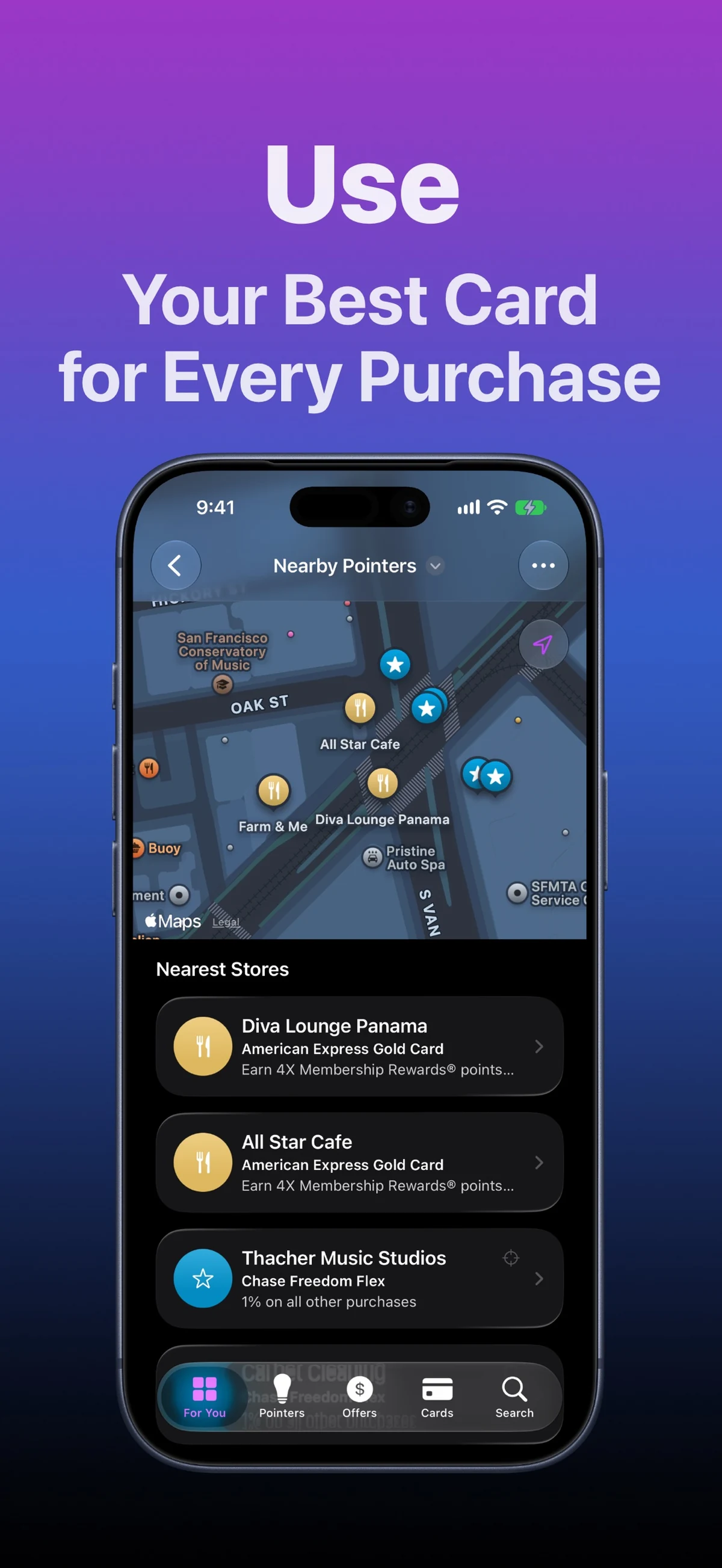 Open full image Answer in context.
A place and a suggested card appear together. The useful output is a decision, rather than another list to research.
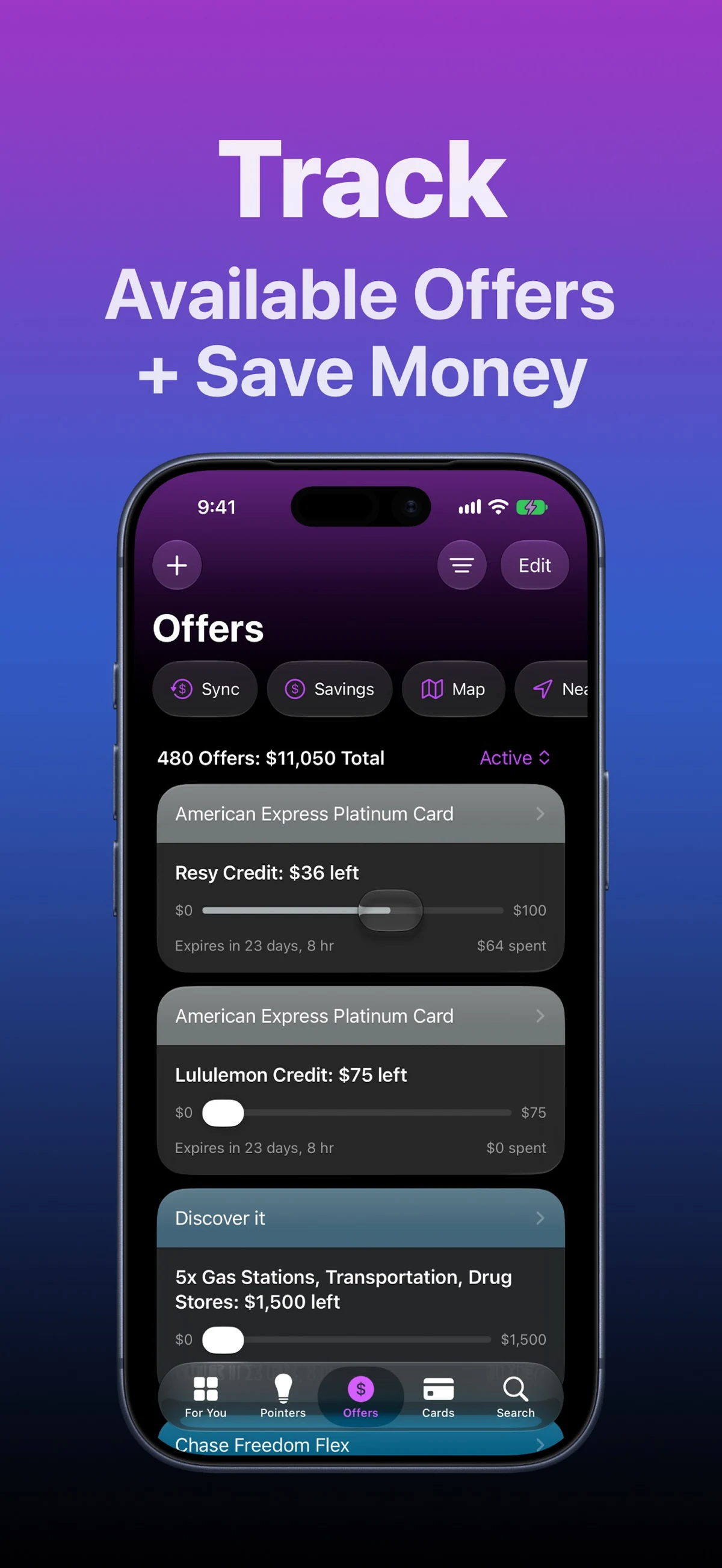 Open full image Make change visible.
Remaining credit and expiry appear beside the offer. The next visit can answer a different question because the underlying state changes.


These screens show a design choice. They do not tell us how many people return, subscribe or save money. Our interpretation is narrower: an app can earn repeat usefulness by keeping a recurring decision easy as circumstances change.
Look for a changing answer.
For your next iOS idea, ask what someone repeatedly checks in a spreadsheet, message thread or mental checklist. Then ask what makes the answer change: a deadline, location, available equipment, previous action or new constraint.
A static answer may work well as a page or a one-time purchase. A changing answer creates work the product can keep doing. It also creates maintenance: if the underlying information is stale, a polished recommendation becomes less useful.
Before adding a subscription, identify the recurring service you will actually provide and what it costs to keep correct. The founder’s historical milestone does not establish that the same packaging will work for your idea.
Try one recommendation before building the dashboard.
Hypothetical prototype: an iPhone tool helps a recreational tennis group pick a court. Save the group’s location and playing preferences once. For its next session, show one suitable court and the reason it fits, using availability the team has permission to access. Let the organizer correct a wrong assumption.
Recruit a small pilot group and follow four weekly planning cycles. Record whether organizers actually book a suggested court, how often they correct the recommendation, and how much manual work the team needs to keep availability accurate. Include everyone enrolled, even those who never finish setup.
Those observations can show whether the job repeats and whether the answer helps. They cannot establish a retention uplift without a comparison. Once the prototype is useful, test a clearly described paid offer and track actual purchases separately from compliments or stated willingness to pay.
Make the second answer worth coming back for.
The decision to continue should rest on repeat completed jobs and a sustainable cost to serve them. More screen time is not automatically better for a tool whose purpose is to help someone decide quickly.
Use the app-idea guide to find the recurring problem, then the event-planning note to define the useful outcome. CardPointers offers a concrete prompt: find a small decision people already make, and remove the work around making it again.
Sources & further reading
- RevenueCat — 2026 Shippies winners, published 21 October 2026
- RevenueCat — historical CardPointers founder case study; publication date not displayed
- CardPointers — official company page and team, accessed 21 October 2026
- CardPointers — official US iPhone App Store listing and gallery, accessed 21 October 2026
Company results are attributed to the sources above. Examples are hypothetical experiments proposed by Piiko, not industry benchmarks. This is independent analysis; app icons identify their respective owners. Cover illustrations are original Piiko editorial art.