

Note 40 · Growth stories
WordPal rehearsed subscriptions in its smaller app

Try the key before opening the bigger door.
Rehearse purchase access and restoration before changing an offer. Keep existing purchases intact, then measure the new model with the target app’s own users.
The subscription switch had a rehearsal
Before changing WordPal’s business model, Owen Farmer tried subscriptions in SpeakTimer, his smaller timer app. The less prominent product had become somewhere to learn before changing the larger one.
That account comes from a founder interview published by RevenueCat on 19 November 2026. It places WordPal’s move from lifetime purchases to subscriptions in late 2022; the exact SpeakTimer rehearsal date is unspecified. Existing WordPal buyers kept what they had paid for and could choose a discounted subscription without being required to switch.
This is a historical monetization decision, not a new rollout. The interview gives no controlled comparison showing what the rehearsal changed. Our takeaway is narrower: separate learning how to operate a new purchase model from learning whether another audience will buy it.
Two apps. Two reasons to come back.
The official iPhone galleries make the difference tangible. One presents a vocabulary question; the other shows timers with spoken reminders. A shared developer does not make those needs interchangeable.
A lesson and a useful reminder
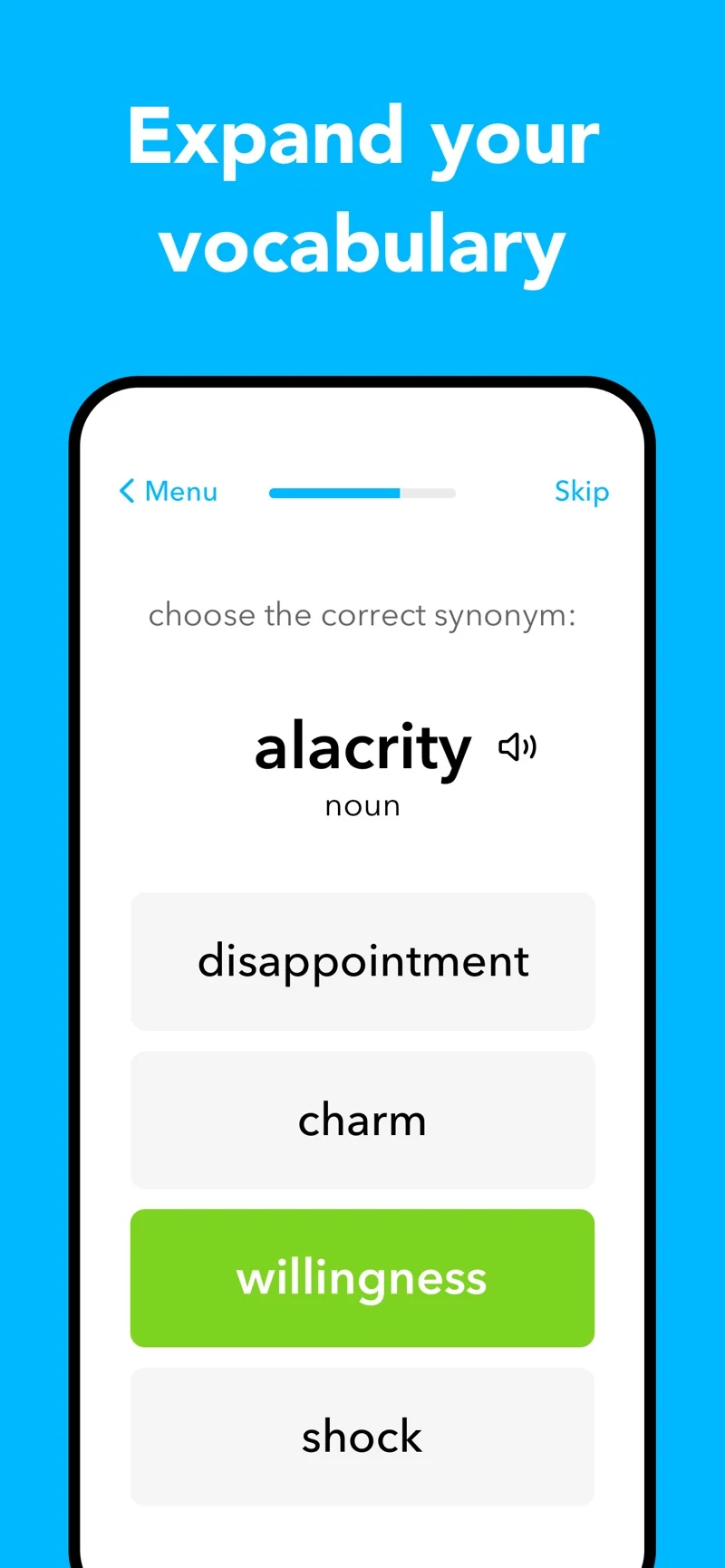 Enlarge WordPal example ↗WordPal: answer a question
The highlighted answer makes a completed learning step visible.
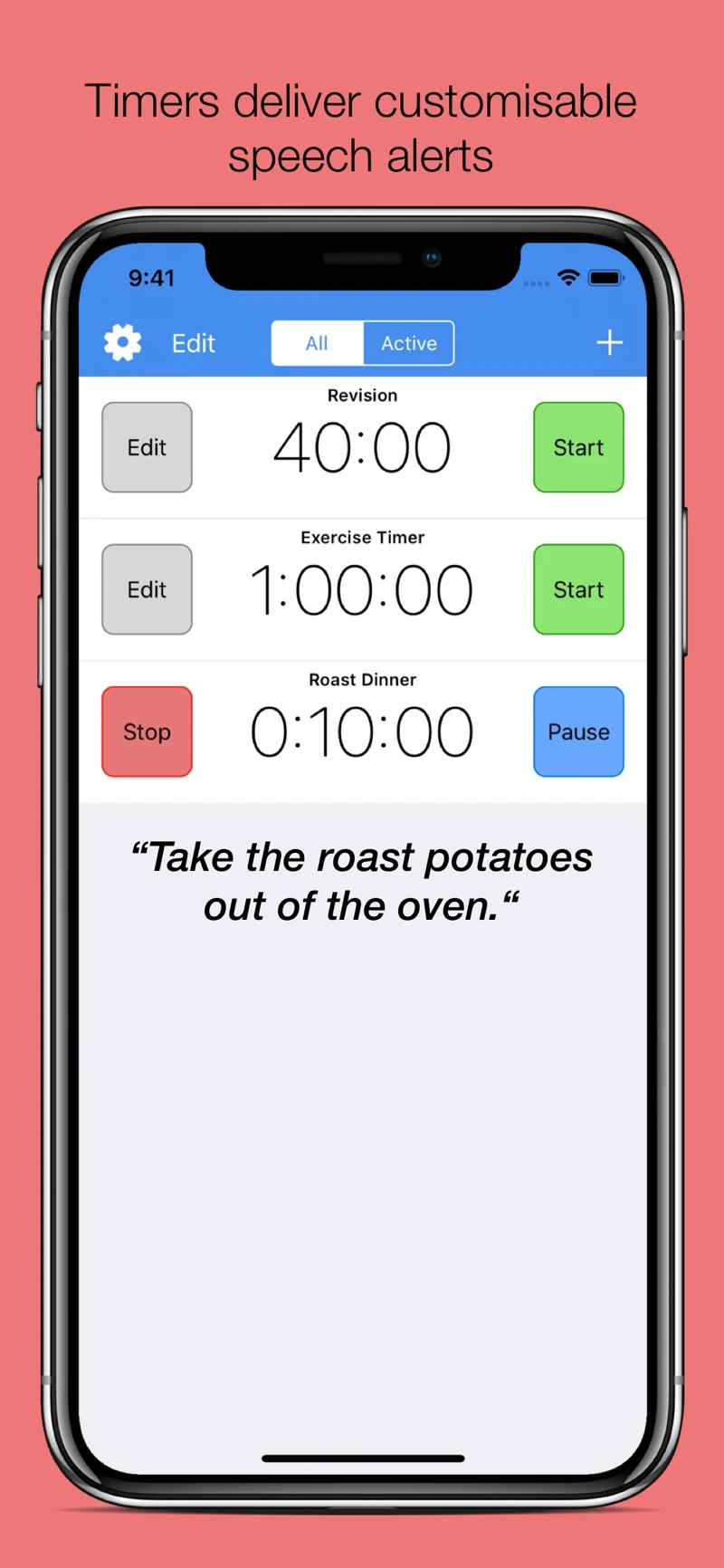 Enlarge SpeakTimer example ↗SpeakTimer: hear the next action
The dinner reminder connects elapsed time to something a person needs to do.


Our interpretation: purchase restoration, support questions and release procedures can inform the next migration. Willingness to pay, renewal behavior and acquisition economics need evidence from the target app. A successful timer purchase cannot establish demand for an annual vocabulary subscription.
Make the old purchase part of the design
Hypothetical iOS migration: a photo journal adds a subscription for cloud sync while keeping previously purchased local editing tools available. Write down the access rule before designing the offer: restoring a valid old purchase must still unlock those tools; letting the optional sync subscription expire must not erase that access.
For a StoreKit implementation, Apple’s currentEntitlements provides non-consumable purchases and subscriptions that are active or in a grace period; refunded or revoked products are absent. Your app still needs to map verified purchases to the right features. Exercise the old-buyer, new-subscriber and expired-subscriber paths before judging the new paywall.
Then test the offer in the app that matters
Original experiment proposal: for an iOS app considering a lifetime-to-monthly switch, randomly assign eligible new, never-paying users to the current offer or a proposed monthly subscription offer for the same feature bundle. Keep acquisition channels and onboarding stable. Existing purchasers keep their access outside this experiment.
Follow every assigned user for 60 days, with any trial ending inside that window. Compare net proceeds minus variable service costs per assigned user, including non-buyers. Inspect repeat journal use, refunds and support problems alongside it. Define the acceptable tradeoffs before starting.
A 60-day comparison cannot establish lifetime value or annual renewal performance. It can reveal whether the proposed offer earns more contribution over that observed window without breaking the product people came for. A team with one app can rehearse access rules in testing first; it does not need to build a second business to learn this lesson.
Sources & further reading
- RevenueCat — Owen Farmer’s founder interview, published 19 November 2026; historical WordPal migration in late 2022
- WordPal — official US App Store listing, icon and iPhone gallery, accessed 21 November 2026
- SpeakTimer — official US App Store listing and iPhone gallery, accessed 21 November 2026
- Apple — StoreKit currentEntitlements, reviewed 21 November 2026
Company results are attributed to the sources above. Examples are hypothetical experiments proposed by Piiko, not industry benchmarks. This is independent analysis; app icons identify their respective owners. Cover illustrations are original Piiko editorial art.